
Blog
Majorwith Certification Expert Blog
Russian KS Certification: Preparations for Overseas Plant Audits and Case Studies of Local Plants
 Russian KS Certification – Overseas Factory Audit Preparation & Consulting Case Study
Can a manufacturing plant located in Russia obtain KS certification in South Korea?
Russian factories can also obtain KS certification if they meet the quality standards and certification audit requirements of the relevant KS standard.
However, since overseas factories have different production environments than those in Korea,
and factors such as quality management documents written in the local language and overseas factory audit schedules must be taken into account,
advance preparation is crucial.
In this article, we present a case study of KS certification consulting for Technical Far East LLC, located in Khabarovsk, Russia, which Major With visited in person.
 KS Certification Logo
1. Can a local factory in Russia also obtain KS certification?
For KS certification, what matters most is whether the product quality and the plant’s quality management system—as defined by
the relevant KS standard—meet the certification requirements, rather than the product’s country of origin.
Therefore, even products manufactured in Russia can obtain certification as long as they fall under the applicable
KS standard and meet the requirements for plant and product audits.
The key points to verify when preparing for certification at a local factory in Russia are as follows:
- Product Quality: Compliance with the quality standards of the applicable KS standard
- Materials Management: Incoming inspection of raw materials, as well as storage and usage management
- Manufacturing Process Management: Work standards for each process and quality control records
- Inspection Equipment Management: Securing product testing and inspection equipment, as well as calibration and inspection
- Preparation for Factory Audit: Local quality management documentation and audit response system
Russia’s GOST-R and EAC certifications are separate systems from Korea’s KS certification.
Therefore, even if you hold a local Russian certification, you must separately meet the relevant certification requirements to obtain Korea’s KS certification.
2. What is the KS L 9102 standard, which is the subject of Russian KS certification consulting?
The subject of this consulting project is the synthetic mineral fiber insulation manufactured by Technical Far East Co., Ltd., located in Khabarovsk, Russia.
MajorWith provided consulting services to the company for KS L 9102 and JIS A 9504 certification.
[Applicable Standards]
- KS L 9102 : Synthetic Mineral Fiber Insulation Materials
- JIS A 9504 : Man made mineral Fiber thermal insulation materials
KS L 9102 is a Korean Industrial Standard for synthetic mineral fiber insulation used for thermal insulation in construction, industrial applications, and composite panels.
Typical products include mineral wool and glass wool.
| Category | Mineral Wool (Rock Wool) | Glass Wool |
| Ingredients | Minerals such as basalt | Glass and scrap glass, etc. |
| Manufacturing Method | Melting and fiberizing minerals at high temperatures | Melting and spinning glass at high temperatures |
| Key Features | Thermal insulation, heat resistance, resilience | Thermal insulation, sound absorption, and fire resistance |
Depending on the product type, they are classified as insulation panels, felt, insulation sleeves, blankets, and insulated containers.
3. How should I prepare for a KS certification factory audit in Russia?
When preparing for certification of overseas factories, you must inspect the quality management system and production facilities
in accordance with the certification audit criteria for the relevant product.
In particular, since the language and audit environment at local factories in Russia differ from those in Korea, it is advisable to verify the following items in advance.
① In-house Standards and Quality Control Documents in Russian
It is recommended that you prepare the necessary Korean translations of internal standards, manufacturing process control guidelines,
and inspection records written in Russian so that domestic auditors can verify their content.
You must also verify that the documents match the actual on-site operating conditions.
② Partial Exemption from Audit Items Based on ISO 9001 Certification
Companies holding ISO 9001 certification may be exempted from certain items of the factory audit if they meet the requirements specified by the relevant audit system.
③ Periodic Audits Following KS Certification
General KS product certification requires periodic factory audits every three years; however, products designated for annual factory audits are subject to inspection every year.
Therefore, local factories in Russia must maintain continuous quality control and prepare for periodic audits after obtaining certification.
④ Travel Expenses for Overseas Factory Audits
Audits of local factories in Russia may incur additional costs, such as the auditor’s round-trip airfare, local transportation expenses, and living expenses.
Since costs may vary depending on the factory’s location, audit schedule, and number of auditors, it is essential to confirm the certification body’s standards in advance.
→ MajorWith KS Certification Consulting Guide
4. How are materials actually managed at local factories in Russia?
Now, let’s take a look at the Technical Far East (LLC) factory in Khabarovsk, Russia, which Majorwith visited in person.
In this case study, we’ll focus on the production site for mineral wool insulation.
1) Safety Training Before Visiting the Factory
Before entering the factory, I received safety training, signed the training completion form, and put on my safety equipment.
Technical Far East Co., Ltd. operates a systematic safety management system that includes providing safety information via QR codes,
using safety training materials in comic book format, and ensuring clear work pathways.
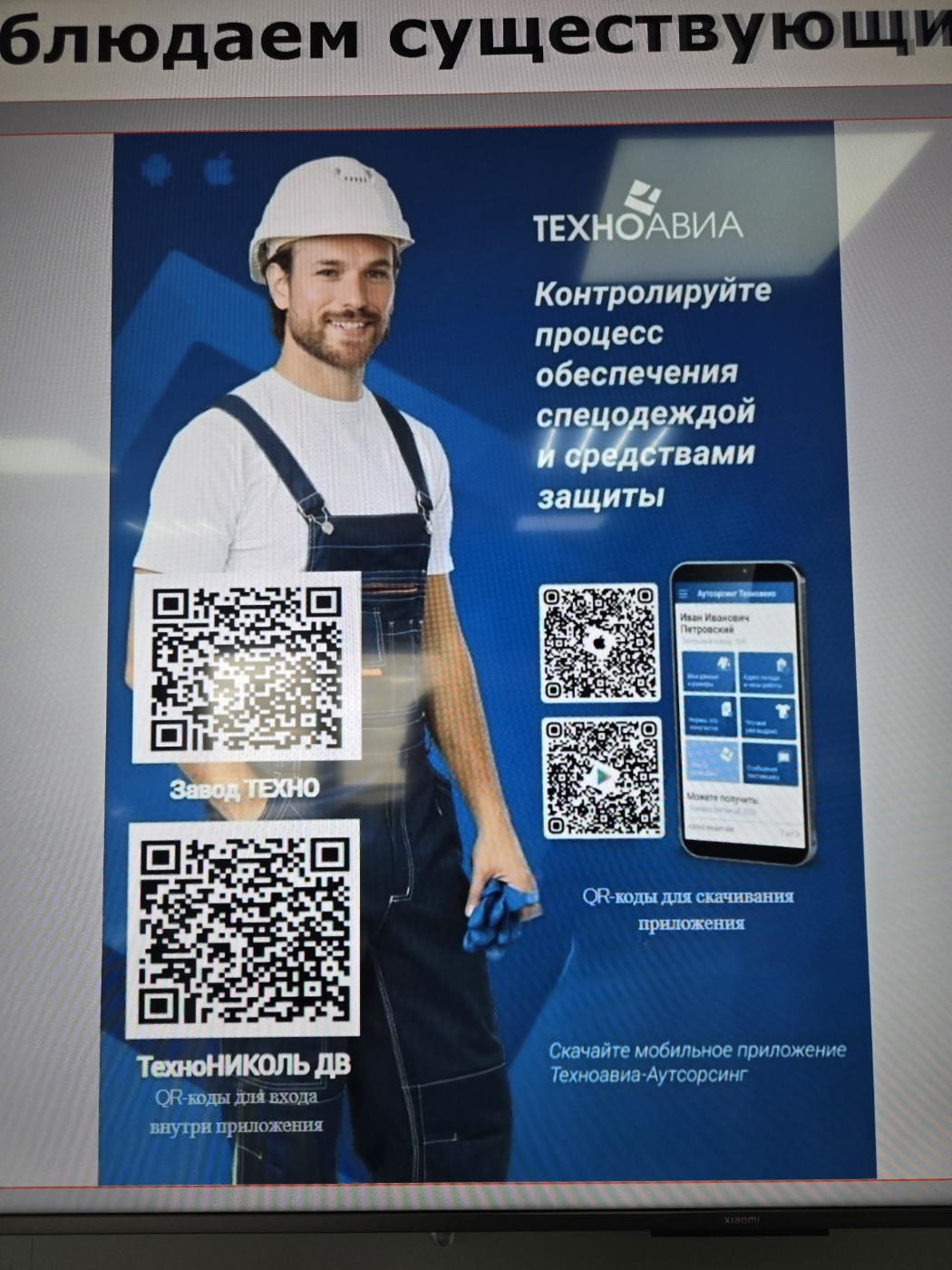 Technical Far East Co., Ltd. Safety Management System - QR Code
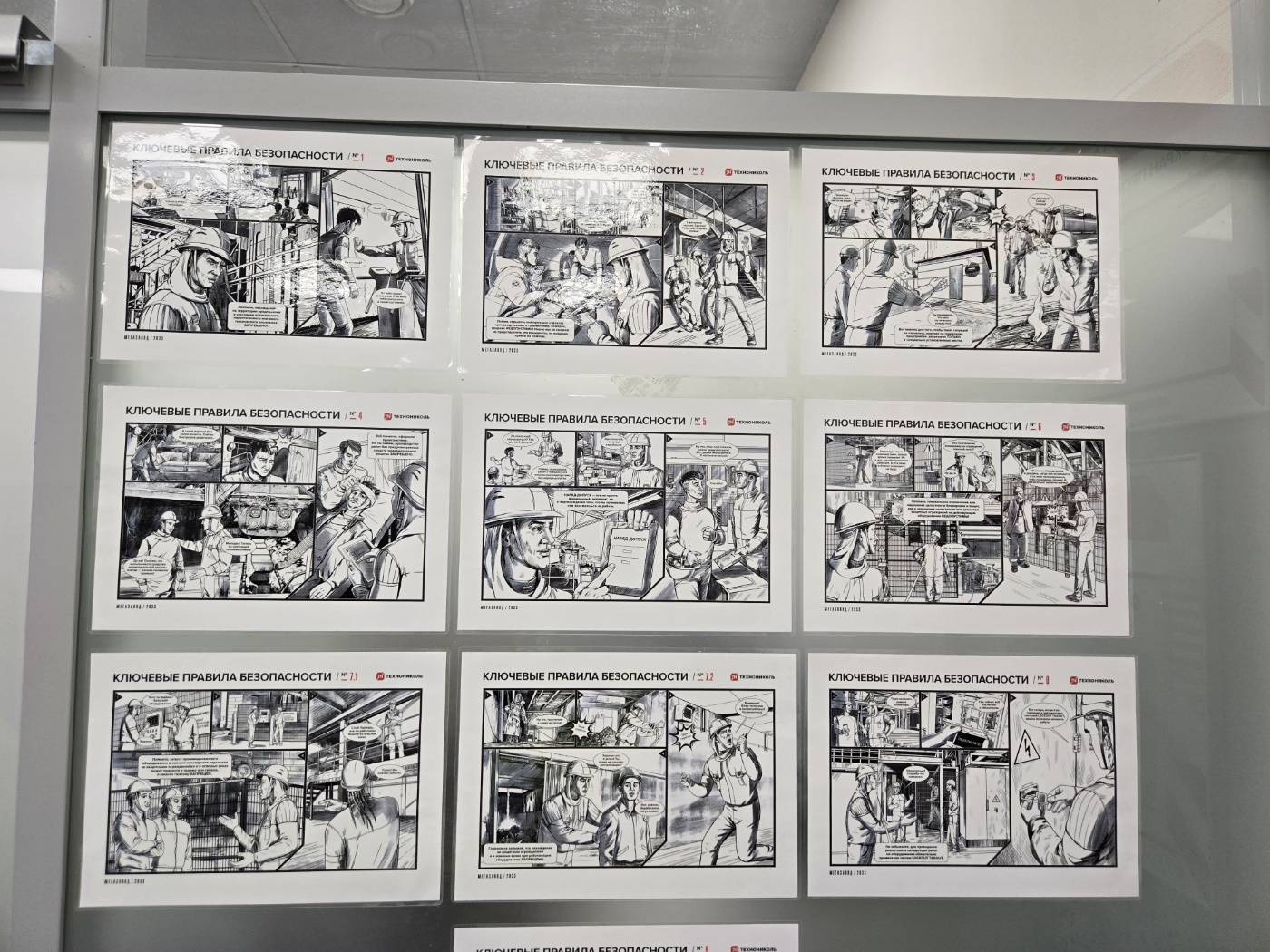 Technical Far East Co., Ltd. Safety Management System - Comic
2) Transportation of Raw Materials via Rail
The company was using freight trains to transport materials.
The railroad tracks were connected directly in front of the raw material loading area, making it an ideal setup for transporting large quantities of mineral raw materials.
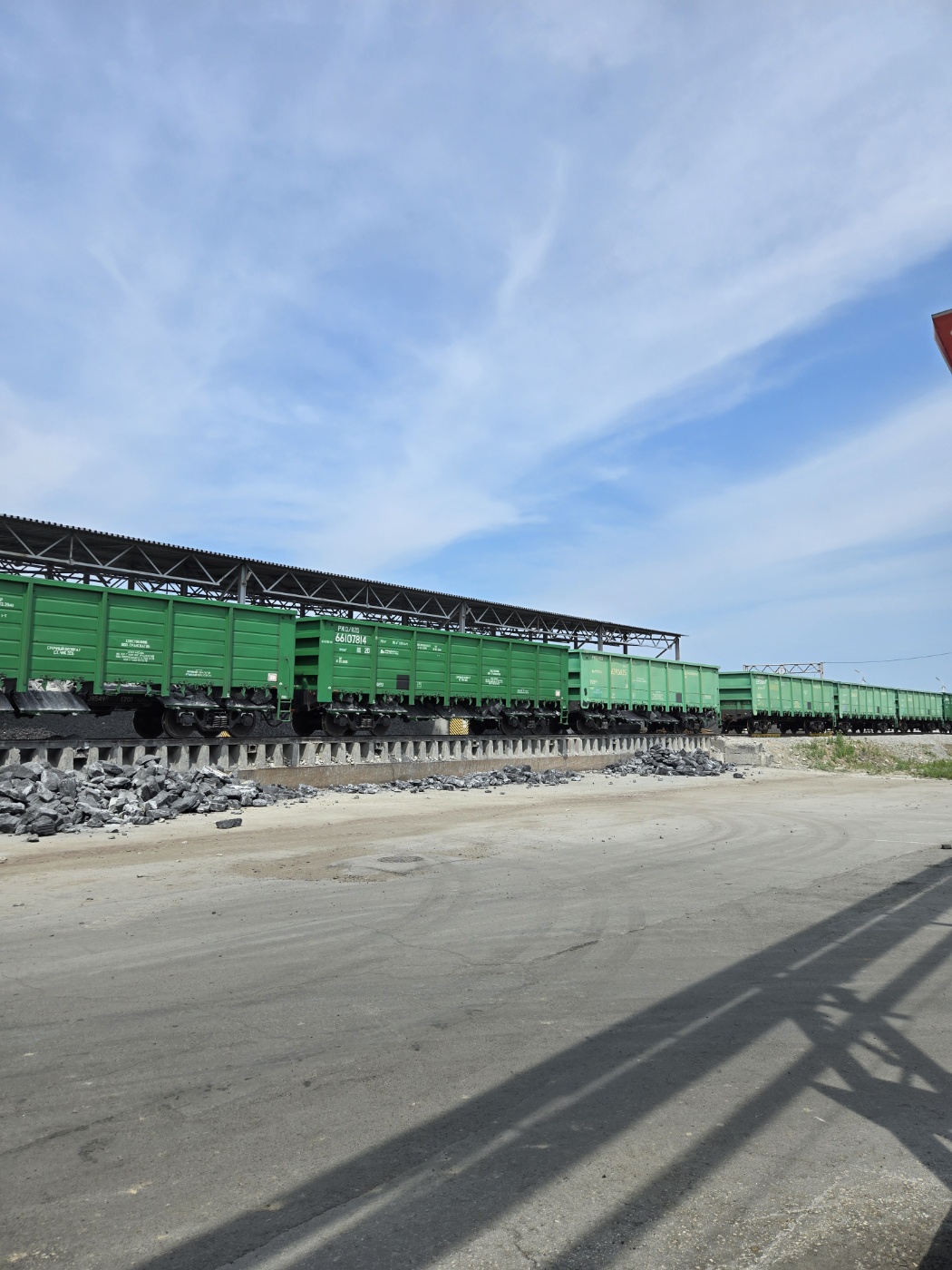 Freight Train for Transporting Materials
3) Raw Material Storage and Management
The raw materials that had been received were stored separately in a warehouse equipped with partitions.
This storage method is intended to prevent the mixing of raw materials and protect them from exposure to moisture. 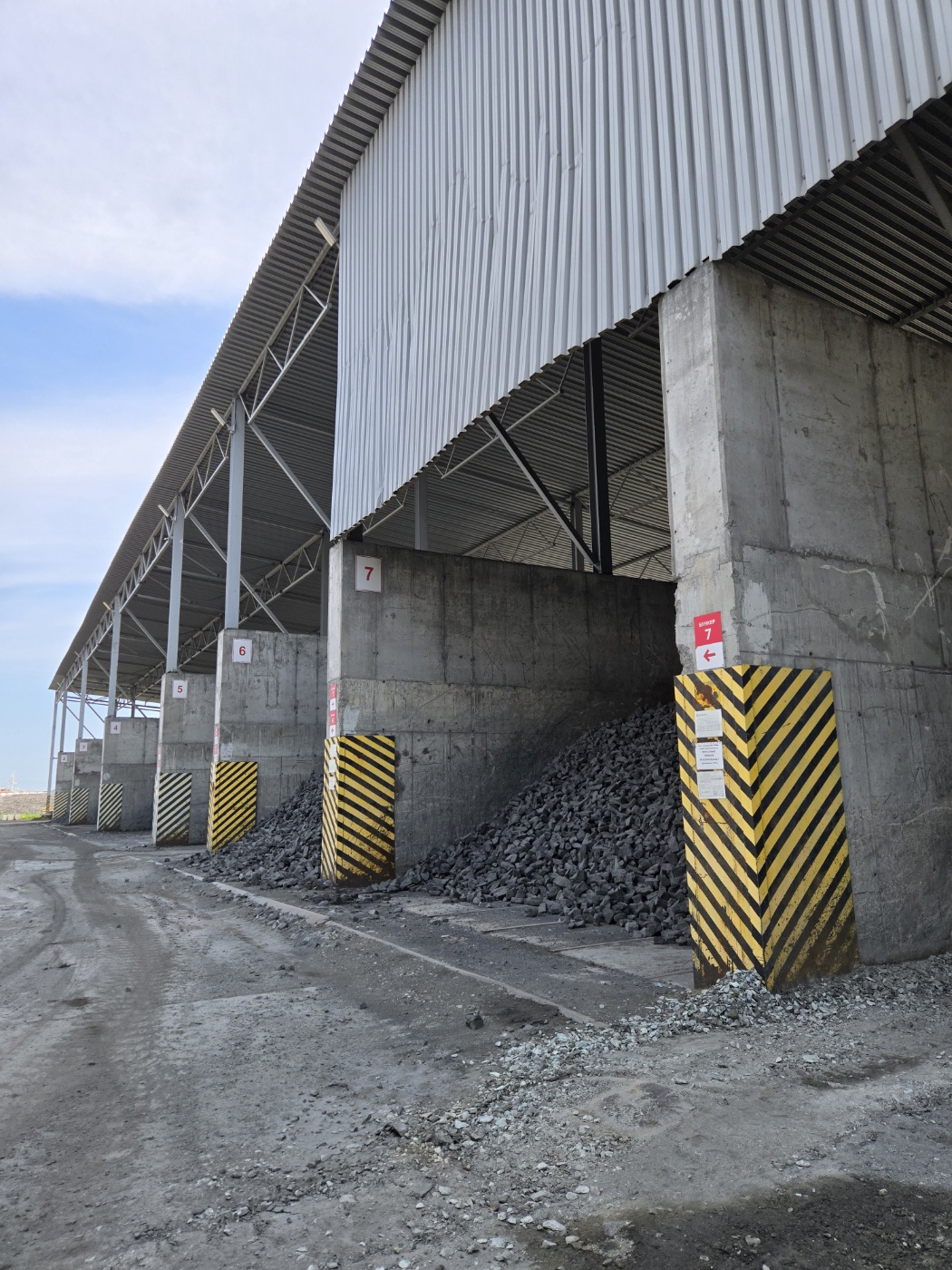 Materials Warehouse
5. How are quality inspections conducted at the factory in Russia?
For KS L 9102 synthetic mineral fiber insulation, various quality characteristics—such as density, thermal conductivity,
and heat shrinkage temperature—must be verified depending on the product type.
Here, we will introduce the method used to measure the thickness of mineral wool insulation at our local factory in Russia.
Since mineral wool is a fibrous product, measuring it with only standard vernier calipers or micrometers may cause the product to compress,
making it difficult to determine the exact thickness.
Therefore, on-site inspections are conducted by measuring the thickness using a dedicated jig and verifying the length by which the jig penetrates the material.
When preparing for KS certification at overseas plants, it is important not only to ensure the availability of testing equipment
but also to establish appropriate testing methods in accordance with the relevant standards and a management system for inspection equipment.
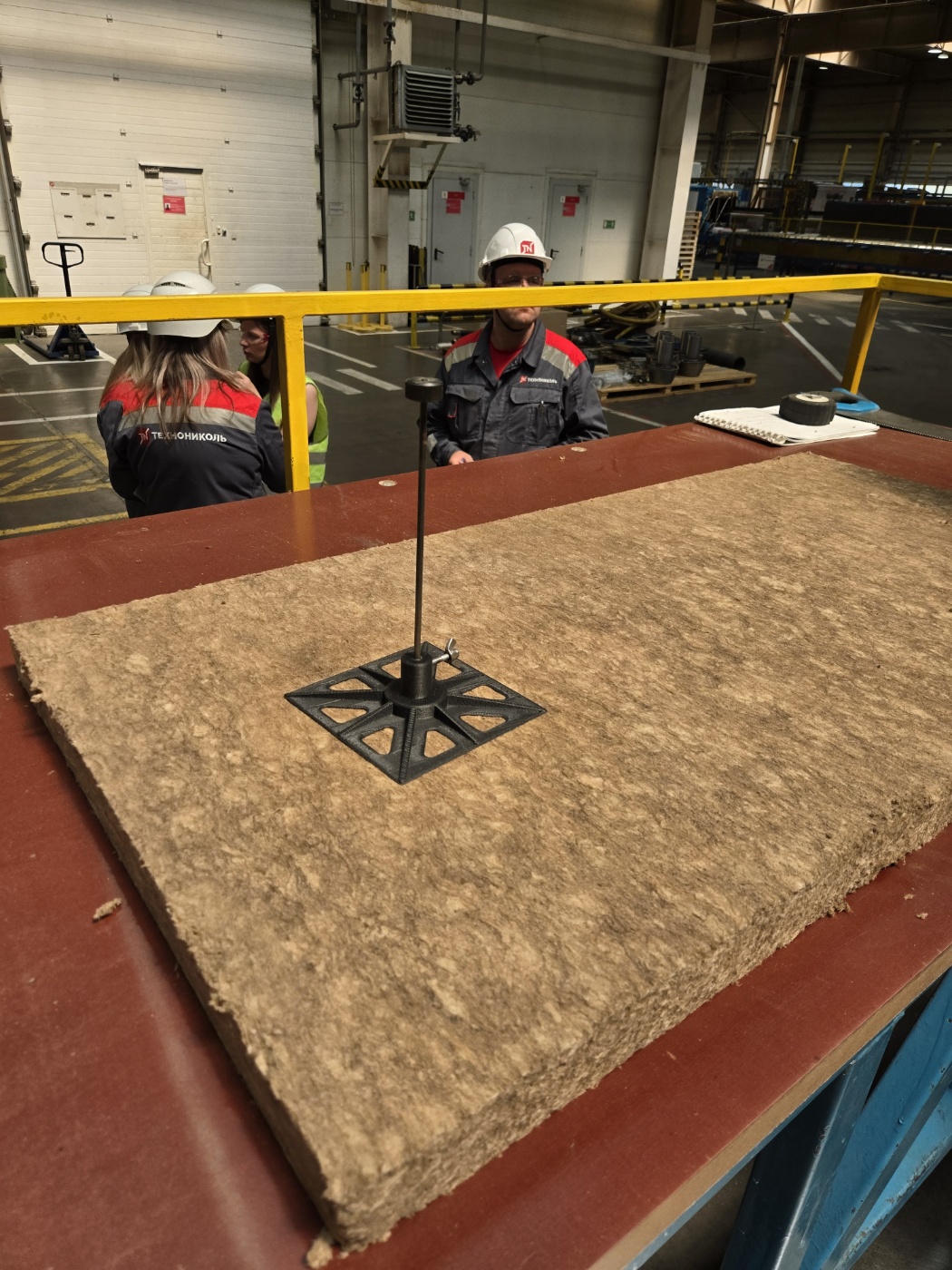 Mineral Insulation Thickness Inspection
6. FAQ on Russian KS Certification
Q1. Is it mandatory to have employees who speak Korean at the local factory in Russia?
It cannot be generalized that it is mandatory to hire employees who speak Korean.
However, since smooth communication and verification of quality control documents are necessary during the factory audit process,
it is advisable to arrange for interpretation support and prepare relevant materials in advance.
Q2. Can existing testing equipment at a Russian factory be used for KS certification?
Even existing testing equipment can be used if it is capable of performing the test methods specified in the relevant KS standard
and meets the required accuracy, calibration, and inspection requirements.
The suitability of the equipment must be reviewed before applying for certification.
Q3. Can raw materials be changed after obtaining Russian KS certification?
It is possible to change materials even after certification has been obtained; however, a materials management list
documenting the changes must be submitted to the certification body in advance for approval.
Please note that certification may be revoked if materials are changed without authorization.
7. Supporting Materials and Related Cases
Supporting Documents
KS L 9102 Standard for Synthetic Mineral Fiber Insulation
Related Cases
MajorWith’s KS Certification Consulting Track Record
News: Russian Client “Technical Far East, LLC” Obtains KS Certification
News: Russian Client “Technical Far East, LLC” Obtains JIS Certification
- New post
- There is no new post.
- Old post
- There is no old post.





Get certification
ready for success
Start with Majorwith


- HQ: Bldg. B #601–603, 201 Songpa-daero, Songpa-gu, Seoul
(Munjeong-dong, Songpa Terra Tower 2) - Tel: 02-2055-1641
- FAX: 02-2055-1643
- China Office: #501, Bldg. 7, No. 7 Wuyang Road, Shibei District, Qingdao, Shandong, China
- Tel: 0532-81118921 (from China)
02-2055-1747 (from Korea)